
Revive, Rebalance, and Recover: Discover the Power of the Theta Chamber at Unchained Wellness Clinic
Navigation links
Free Consultation
It's important to know that you are not alone. Get help with depression today!
TMS THERAPY SUPPORTS MENTAL WELLNESS
- Depression
- Lack of Joy
- Sadness and Despair
- Low Mood
- Lethargy
- Insomnia
- Oversleeping
- Social Isolation
- Self-Harm
- Substance Abuse
- Suicidal Ideation
- Alcoholism



Are you struggling with addiction, emotional trauma, or physical issues? Look no further than Unchained Wellness Clinic near Phoenix, where you can experience the transformative power of the Theta Chamber. In this article, we will explore the numerous benefits of using a Theta Chamber and how it can help you overcome your challenges.
The Theta Chamber at Unchained Wellness Clinic located in Gilbert Arizona offers a valuable investment in your health. Through the use of various technologies, this non-invasive therapy effectively induces your brain's "Theta State". By promoting relaxation, healing, and overall well-being, the Theta Chamber can provide numerous benefits that include:
- Alleviate Stress and Anxiety
- Enhance the Quality of Sleep
- Boost Cognitive Function
- Stimulate Creativity
- Heighten Neurotransmitter Production- Neuroplasticity
- Support Healing and Wellness
The Theta Chamber or Bed allows the brain to take the majority of its focus off of sensory perception and conscious thought, allowing focus on the subconscious through the bio magnetic field. It is designed to administer multiple, powerful treatment applications in a single session that can help treat patients who suffer from:
- Anxiety/Stress
- PTSD
- Depression
- Insomnia
- Addictions
What is a Theta Chamber or Theta Bed?
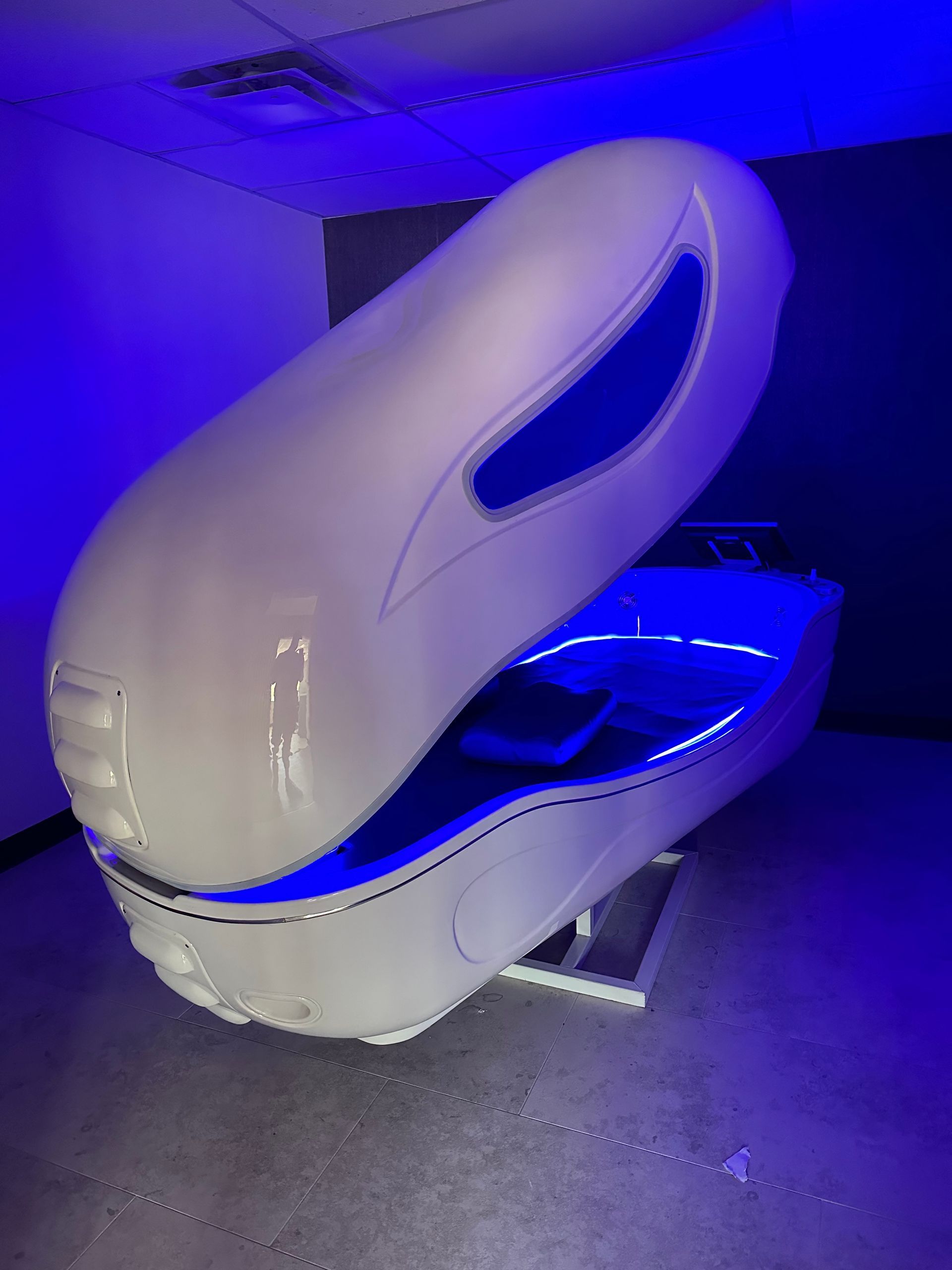
A Theta Chamber, also known as a Theta Bed, is a cutting-edge technology that combines sound, light, and vibration therapy to induce a deep meditative state. By stimulating the brain's theta waves, the Theta Chamber promotes relaxation, healing, and personal growth. When using a Theta Chamber, individuals lie down with their eyes closed and allow themselves to relax completely.
The concept of the Theta Chamber is based on the understanding that the brain operates at different frequencies, known as brainwave states. These brainwave states include alpha, beta, theta, and delta. The theta state is associated with deep relaxation and creativity, making it an ideal state for relaxation, meditation, and personal development.
The Soothing Element of Sound
The Theta Chamber utilizes various stimuli to help the individual enter the theta state. This includes the use of specialized soundtracks (binaural beats) that are designed to synchronize with the brain's natural theta frequency. The soundtracks feature soothing sounds and tones that help induce relaxation and promote a deep meditative experience.
Incorporating Light Therapy
In addition to sound, the Theta Chamber also incorporates light therapy. The individual lies in a comfortable bed-like structure with LED lights goggles. These lights emit at specific wavelengths and amplitudes that help stimulate the brain's theta waves. The combination of sound and light therapy creates a synergistic effect, enhancing the overall experience.
Low-Frequency Vibrations
The Theta Chamber also incorporates Cranial Electronical Stimulation (CES). The bed-like structure is equipped with built-in elobe conductors that produce low-frequency vibrations. These vibrations are carefully calibrated to further deepen the state of relaxation and induce a meditative state. As the sound, light, and vibration therapy work together, they help quiet the mind, release tension, and promote a sense of calm and tranquility.
The Theta Chamber is not only used for relaxation purposes but also for personal growth and self-improvement. The deep meditative state induced by the Theta Chamber allows individuals to access their subconscious mind more easily, facilitating self-reflection, introspection, and the release of negative beliefs, patterns, and trauma.
HOW DOES THE THETA CHAMBER WORK?
Theta chambers or theta bed are designed to create an environment that isolates the individual from external sensory input. The goal is to induce a deep state of relaxation and potentially alter consciousness.
Here's a general overview of how they work:
- Enclosed Environment: Theta chambers typically consist of an enclosed space, making you feel safe and secure.
- Reduced Sensory Input: The chamber is designed to minimize external sensory input. This is achieved through the use of soundproofing to reduce noise. As well as headphones that reduce external sensory input.
- Darkness: The environment is usually kept dark to eliminate visual stimuli. Some chambers may have optional lights that can be controlled by the user.
- Promotion of Theta Brain Waves: The name "theta" chamber comes from the idea of promoting theta brain waves, which are associated with deep relaxation and a meditative state. The sensory-deprived environment encourages the brain to enter this state.
- Meditative Experience: Users often report a deep sense of relaxation, altered perceptions of time, and sometimes even vivid sensory experiences. The lack of external stimuli allows individuals to focus inward, leading to a meditative or introspective state.
The Theta Chamber is a unique therapeutic tool that provides a safe and supportive environment for individuals to process and release emotional trauma. By utilizing cutting-edge technology and proven relaxation techniques, the Theta Chamber helps individuals access their subconscious mind and create positive changes in their emotional well-being.
During a Theta Chamber session, the individual is comfortably lying down and exposed to carefully calibrated light, sound, and vibration frequencies. These frequencies induce a state of deep relaxation and entrain the brainwaves into the theta frequency range, which is associated with increased self-awareness and emotional healing.
Addiction Recovery with the Theta Chamber
Addiction can be a challenging battle, but the Theta Chamber offers a unique approach to recovery. By accessing the subconscious mind, the Theta Chamber helps individuals address the root causes of their addiction and rewire their thought patterns. This powerful therapy can support individuals in overcoming cravings, reducing withdrawal symptoms, and fostering a sense of inner peace and self-control.
Traditional addiction treatment often focuses on managing symptoms and cravings, but the Theta Chamber goes beyond that by helping individuals identify and heal the underlying emotional trauma or unresolved issues that may be driving their addiction.
By rewiring thought patterns, the Theta Chamber can help break the cycle of addiction. Addictive behaviors often stem from deeply ingrained thought patterns and beliefs, which can be difficult to change. Through the use of sound and vibration, the Theta Chamber can help individuals reprogram their subconscious mind and create new, healthier thought patterns that support recovery.
Another benefit of the Theta Chamber is its ability to reduce cravings and withdrawal symptoms. Cravings and withdrawal symptoms can be extremely challenging to overcome during the recovery process. The Theta Chamber offers a non-invasive and drug-free approach to reducing these symptoms. By calming the mind and body, the Theta Chamber can help individuals experience a greater sense of inner peace and self-control, making it easier to resist cravings and manage withdrawal symptoms.
Overall, the Theta Chamber offers a unique and effective approach to addiction recovery. By accessing the subconscious mind, individuals can address the root causes of their addiction and rewire their thought patterns. This therapy can support individuals in overcoming cravings, reducing withdrawal symptoms, and fostering a sense of inner peace and self-control. If you or someone you know is struggling with addiction, consider exploring the benefits of the Theta Chamber as part of their recovery journey.
How a Theta Chamber Can Heal Emotional Wounds
Emotional trauma is a deeply distressing experience that can have a profound impact on our lives. It can result from various events such as physical or emotional abuse, neglect, loss of a loved one, or witnessing a traumatic event. When someone goes through emotional trauma, it can disrupt their sense of safety, trust, and well-being.
The effects of emotional trauma can be far-reaching and can manifest in various ways. One common result is the development of anxiety and depression. The individual may experience persistent feelings of fear, worry, or sadness, making it difficult to enjoy life and maintain healthy relationships.
Emotional trauma can also have physical symptoms such as headaches, fatigue, sleep disturbances, and even chronic pain. This connection between emotional distress and physical health highlights the importance of addressing trauma in a holistic manner.
Within the Theta Chamber, individuals have the opportunity to explore and heal their emotional wounds. The deep relaxation aids in loosening the grip of trauma, allowing suppressed emotions and memories to surface. This process can be guided by a trained therapist, providing support and guidance throughout the session.
By bringing these emotions and memories into conscious awareness, individuals can better understand and process their experiences. This increased self-awareness enables them to release negative emotions, reframe their beliefs, and develop healthier coping mechanisms.
Improve mental well-being and regain a sense of empowerment. By processing and releasing emotional trauma within the Theta Chamber, individuals can regain a sense of control over their lives. They can let go of limiting beliefs, release negative self-talk, and develop a more positive and empowering mindset.
Theta Chamber Physical Healing and Wellness
In addition to its benefits for addiction and emotional trauma, the Theta Chamber also offers remarkable physical healing properties. The Theta Chamber is a state-of-the-art therapy system that combines sound, light, and vibration therapy to stimulate the body's natural healing mechanisms. This unique combination of therapies has been shown to promote cellular regeneration, reduce inflammation, and enhance overall well-being.
The sound and light therapy used in the chamber helps to stimulate the brain’s cells, encouraging them to repair and regenerate. This can be especially beneficial for individuals who are dealing with chronic pain, Parkinson’s and Multiple sclerosis, as it can help to induce neurogenesis.
In addition to cellular regeneration, the Theta Chamber also aids in reducing inflammation. Inflammation is a natural response of the body to injury or infection, but chronic inflammation can lead to a number of health issues. The sound and vibration therapy in the Theta Chamber helps to reduce inflammation by increasing blood flow and promoting lymphatic drainage. This can help to alleviate pain and discomfort associated with inflammation and improve overall health and well-being.
Another important benefit of the Theta Chamber is its ability to enhance overall well-being. This therapy system helps to balance the body's energy systems and promotes a sense of deep relaxation and calm. Many individuals who use the Theta Chamber report improved sleep, increased energy levels, and a greater sense of overall vitality.
Whether you're dealing with chronic pain, fatigue, or other physical ailments, the Theta Chamber can provide relief and support your body's natural healing processes. This holistic therapy system offers a safe and non-invasive way to promote physical healing and enhance overall well-being.
Experience the Theta Chamber Near You
In conclusion, the Theta Chamber, also known as a Theta Bed, is a remarkable tool that can greatly benefit those dealing with addiction, emotional trauma, and physical issues. If you are located in the Phoenix, Arizona area, Unchained Wellness Clinic is the local provider to experience the potential advantages of the Theta Chamber. This innovative technology has the power to bring positive changes to your life by promoting relaxation, reducing stress, and facilitating healing on multiple levels. Don't miss out on the opportunity to explore the transformative effects of the Theta Chamber at Unchained Wellness Clinic and take a step towards a healthier and happier future.
Embarking on a journey of healing and personal growth with the Theta Chamber can have profound and long-lasting effects on your overall well-being. It can help you to release limiting beliefs, gain clarity and insight, and tap into your innate creativity and intuition. The transformative benefits of the Theta Chamber are not limited to the session itself but can continue to unfold in your daily life.
Contact us today to schedule your Theta Chamber session at Unchained Wellness Clinic in Gilbert Arizona. Our team is here to support you on your path to wellness and help you experience the profound benefits of the Theta Chamber. Don't wait any longer to embark on your journey of healing and personal growth!