
What Is a Hyperbaric Chamber in Modern Healthcare?
Navigation links
Free Consultation
It's important to know that you are not alone. Get help with depression today!
TMS THERAPY SUPPORTS MENTAL WELLNESS
- Depression
- Lack of Joy
- Sadness and Despair
- Low Mood
- Lethargy
- Insomnia
- Oversleeping
- Social Isolation
- Self-Harm
- Substance Abuse
- Suicidal Ideation
- Alcoholism



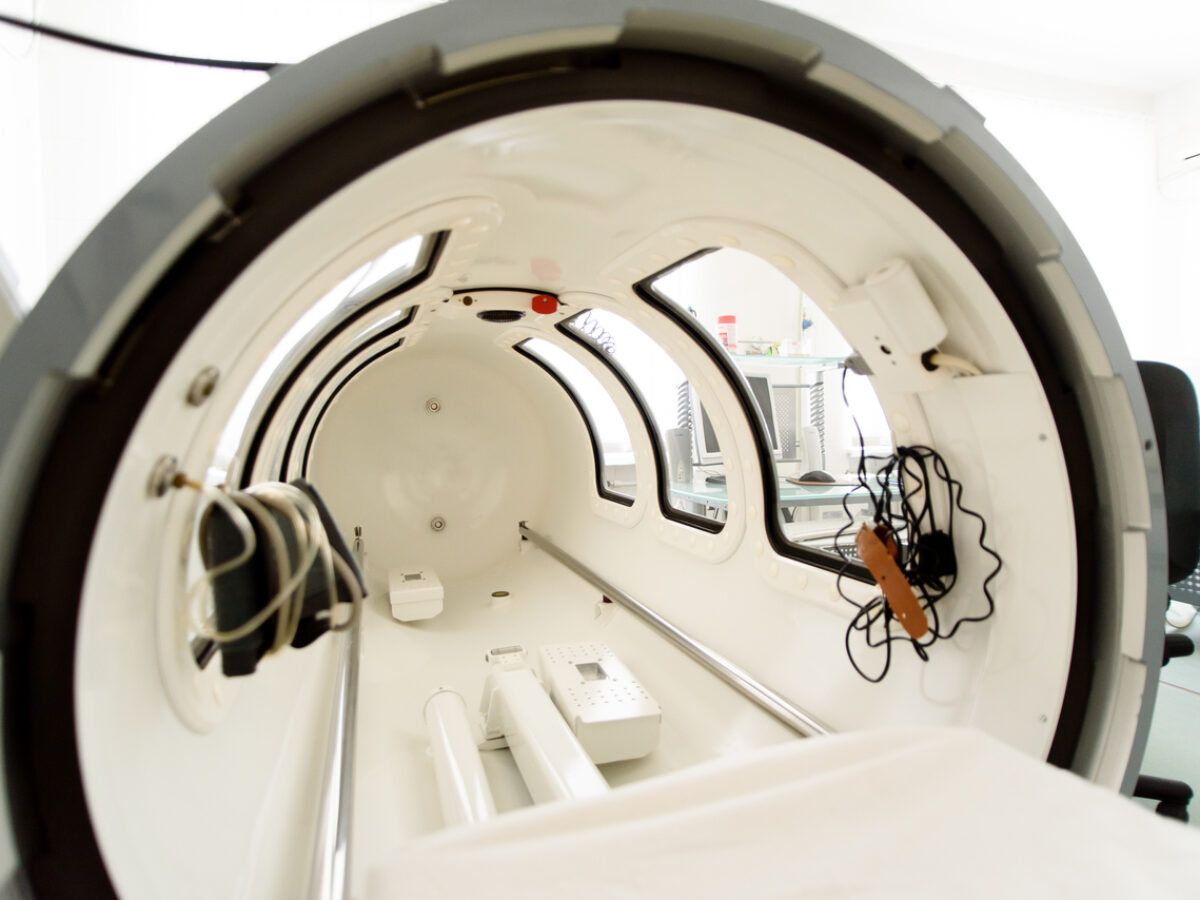
Hyperbaric chambers have become a go-to treatment option in modern medicine for a wide range of conditions. These specialized chambers create high-pressure environments that deliver pure oxygen to help the body heal faster. From wound care to carbon monoxide poisoning, the applications keep growing as research advances. A quality wellness center may offer this therapy as part of a broader treatment plan for patients dealing with chronic issues. This post covers how hyperbaric chambers work, what they treat, and what the future holds for this technology.
History of Hyperbaric Chambers
Hyperbaric chambers go back further than most people realize all the way to the 1600s when researchers started experimenting with increased atmospheric pressure on the human body. The first real medical use showed up in the mid-1800s, mainly to treat decompression sickness in divers. Over time, technology and medical understanding pushed hyperbaric chambers into mainstream healthcare. Today, they're used for non-healing wounds, carbon monoxide poisoning, and radiation injuries. The shift from experimental tool to standard treatment option marks a big milestone in how we approach healing and recovery.
How Hyperbaric Chambers Work
Hyperbaric chambers deliver 100% oxygen at pressures higher than what you'd experience at sea level. This setup lets your lungs take in way more oxygen than normal breathing allows. The extra oxygen in your blood plasma does several things: it speeds up tissue repair, cuts down inflammation, and gives your immune system a boost against infections. The pressurized environment also pushes oxygen into areas where blood flow has been compromised, which helps wounds and injuries heal. Basically, the chamber creates conditions that fast-track your body's natural healing abilities.
Medical Conditions Treated
Hyperbaric therapy works well for a solid range of medical conditions. Decompression sickness, non-healing wounds like diabetic foot ulcers, carbon monoxide poisoning, and radiation injuries all respond to this treatment. Gas embolism, crush injuries, and certain infections, especially those caused by anaerobic bacteria, can also benefit from time in the chamber. The high-pressure environment increases oxygen levels in your bloodstream, which promotes tissue repair and fights infection. This approach speeds up the body's natural healing process by getting more oxygen where it needs to go.
Benefits of Hyperbaric Therapy
Looking at what hyperbaric therapy actually does shows why it's gained traction in modern healthcare. The treatment offers several clear advantages:
- Better Oxygen Delivery: Higher oxygen levels in the body speed up tissue repair.
- Less Inflammation: Helps reduce swelling and promotes faster recovery times.
- Improved Circulation: Boosts blood flow, which matters for healing and cell function.
- Antimicrobial Effects: Helps fight infections and supports wound healing.
- Neurological Benefits: Shows promise for treating stroke and traumatic brain injuries.
These benefits explain why hyperbaric therapy has become a valuable tool for addressing a wide range of medical issues.
Safety Considerations
Safety in hyperbaric therapy involves several factors that need careful attention to get good patient outcomes. Monitoring for barotrauma, oxygen toxicity, and fire risks matters during every treatment. Barotrauma comes from pressure changes and can cause ear or sinus injuries if not handled properly. Oxygen toxicity happens from too much exposure to high oxygen levels and may lead to seizures or lung damage. The oxygen-rich, pressurized environment also makes materials more flammable, so strict fire prevention rules are a must. Proper staff training, regular equipment checks, and following safety guidelines all help keep risks low and treatments safe.
Future of Hyperbaric Chambers
Advances in pressurization technology will shape where hyperbaric chambers go next in healthcare. Looking ahead, several possibilities stand out:
- Better Portability: Smaller, more portable designs could bring hyperbaric treatment to remote areas.
- More Automation: Automating chamber operations may streamline the process and improve efficiency.
- Personalized Treatment: Adjusting pressure levels and oxygen concentrations for each patient could improve results.
- Advanced Monitoring: Adding real-time monitoring systems can help with precise adjustments during treatment.
- Pharmaceutical Research: Ongoing studies combining hyperbaric therapy with medications may open up new treatment options.
Related Topics: