
How Often Do Experts Recommend Using a Hyperbaric Chamber?
Navigation links
Free Consultation
It's important to know that you are not alone. Get help with depression today!
TMS THERAPY SUPPORTS MENTAL WELLNESS
- Depression
- Lack of Joy
- Sadness and Despair
- Low Mood
- Lethargy
- Insomnia
- Oversleeping
- Social Isolation
- Self-Harm
- Substance Abuse
- Suicidal Ideation
- Alcoholism



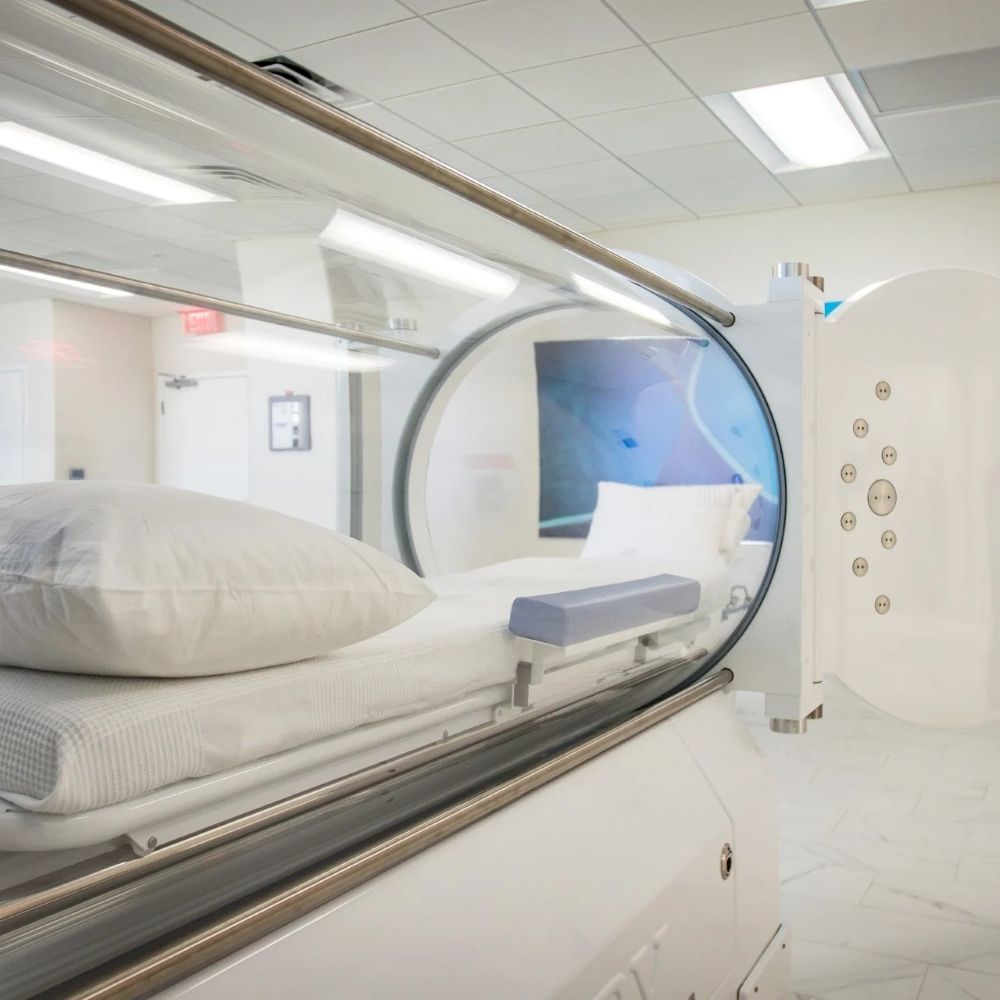
Hyperbaric oxygen therapy (HBOT) has become a go-to treatment for a range of medical conditions, from non-healing wounds to carbon monoxide poisoning. But figuring out how often to use a hyperbaric chamber depends on several factors specific to each patient. Wellness companies in Gilbert, AZ, offer guidance on treatment plans tailored to individual health needs and goals. This post covers frequency guidelines, session duration, and how providers adjust schedules based on your condition and progress. Understanding these recommendations helps you get the most out of your hyperbaric therapy.
Frequency Guidelines for Hyperbaric Therapy
Following established guidelines matters when it comes to how often you schedule hyperbaric therapy sessions. Research shows that HBOT is most effective when sessions are consistent over time. For conditions like non-healing wounds or carbon monoxide poisoning, a typical protocol calls for daily sessions lasting 90 to 120 minutes at pressures between 2 and 3 atmospheres absolute (ATA). The total number of treatments varies depending on the condition being treated and each patient's response. To achieve the best results, most providers recommend following a structured treatment plan supported by evidence-based guidelines.
Factors Influencing Treatment Frequency
Several factors determine how often you should schedule hyperbaric therapy sessions. These include your specific condition and its severity, your treatment goals, the type of hyperbaric chamber being used, and your healthcare provider's experience level. Patients with acute conditions may need more frequent sessions at the start, while those with chronic conditions may do better on a maintenance schedule. Your individual response to therapy, any other treatments you're receiving, and potential side effects all play a role in setting the right frequency. A qualified hyperbaric medicine specialist can tailor the treatment schedule to fit your unique situation.
Recommended Session Duration and Frequency
Setting the right session length and frequency requires a comprehensive assessment of your medical condition, treatment goals, and your response to therapy. Most sessions run 60-90 minutes, with patients typically coming in once daily. For more severe conditions, sessions might extend to 120 minutes. The total number of hyperbaric therapy sessions usually falls between 5 and 40, with a standard protocol calling for 20 to 30 sessions. These sessions typically span 4 to 6 weeks, though this can vary depending on your condition and how you respond to treatment. The ideal schedule should always match your specific needs and medical requirements.
Adjusting Frequency Based on Condition
To get the most out of hyperbaric therapy, providers may change how often you come in based on your medical condition and treatment response. Some conditions call for more frequent sessions, while others need a lighter schedule. For issues like non-healing wounds, carbon monoxide poisoning, or decompression sickness, a higher frequency of HBOT sessions might be recommended at the start to get the best possible results. Chronic conditions like radiation injuries or autoimmune disorders may require a maintenance schedule with fewer sessions after an initial intensive treatment phase. Adjusting the frequency based on your specific condition makes sure the therapy fits your needs and delivers real benefits.
Personalized Frequency Recommendations
Personalized frequency recommendations for hyperbaric chamber sessions can be shaped around your medical condition and how you respond to treatment.
- Medical Condition Assessment: Session frequency should be determined by a thorough evaluation of your medical condition, taking into account its severity and any other health issues you're dealing with.
- Treatment Response Monitoring: Regular check-ins on how you're responding to HBOT help providers adjust session frequency. Response indicators might include symptom improvements, lab results, or imaging studies.
- Expert Guidance: Hyperbaric medicine specialists or experienced healthcare providers can help develop personalized frequency recommendations that match your specific needs and treatment goals.
Monitoring Progress and Adjusting Frequency
Tracking your progress and adjusting session frequency keeps treatment on track and ensures patient safety. Regular assessment of how you're responding to HBOT helps determine whether the treatment is working. By monitoring changes such as improved oxygen saturation levels or wound-healing progress, providers can fine-tune how often you come in. Adjusting the frequency based on your response also helps prevent complications from excessive exposure to high oxygen levels. Ongoing evaluation and adjustment of the treatment plan are key to a successful hyperbaric therapy regimen, leading to better outcomes and stronger patient care.
Related Topics: