
How Hyperbaric Chambers Accelerate Wound Healing
Navigation links
Free Consultation
It's important to know that you are not alone. Get help with depression today!
TMS THERAPY SUPPORTS MENTAL WELLNESS
- Depression
- Lack of Joy
- Sadness and Despair
- Low Mood
- Lethargy
- Insomnia
- Oversleeping
- Social Isolation
- Self-Harm
- Substance Abuse
- Suicidal Ideation
- Alcoholism



Hyperbaric chambers are often used when wounds take longer than expected to heal. The idea is fairly simple, though the process feels unusual at first. Oxygen levels increase in the body while a person sits inside a pressurized chamber, and that extra oxygen helps tissues repair themselves. Many patients hear about the therapy through a local wellness clinic, where providers explain how oxygen can support the body’s natural healing response.
It sounds technical, but the concept is actually straightforward. More oxygen reaches damaged tissue, and that can help cells rebuild and recover. The body starts producing collagen faster, swelling may settle down, and infection becomes easier to control. Over time, wounds that seemed stuck may slowly begin to close.
The Mechanism of Hyperbaric Oxygen Therapy
Inside a hyperbaric chamber, the air pressure is higher than what we normally experience. Because of that pressure, oxygen dissolves more easily into the bloodstream. Even areas with weaker circulation can receive the oxygen they usually struggle to get.
Once that oxygen reaches the tissue, several things begin happening simultaneously. Growth factors become more active, and stem cells move toward damaged areas. Blood vessels begin forming in places where circulation is poor. The immune system also becomes more responsive, which helps the body deal with infection while healing continues.
Benefits of Increased Oxygen Levels
Oxygen plays a bigger role in healing than most people realize. When tissues receive a higher supply of nutrients, immune cells become more effective at targeting harmful bacteria. That alone can change how a wound behaves during recovery.
There is also the process of forming new blood vessels, something the body relies on to move nutrients and oxygen to damaged tissue. Collagen production increases, too, which helps strengthen newly repaired skin. Swelling and irritation may settle down as oxygen levels stabilize. All these changes happen gradually, though patients often notice progress after several sessions.
Impact on Wound Healing Process
Healing tends to move faster when oxygen is consistently available. The body can rebuild tissue more efficiently and maintain stronger blood flow near the wound. Inflammation usually becomes easier to control, which allows cells to focus on repair rather than reacting to irritation.
Patients sometimes describe the change as subtle at first. The wound may appear less irritated, or the surrounding skin may look healthier. Over time, the improvement becomes more obvious as tissue closes and strengthens. The chamber itself is simply creating conditions that allow the body to work better.
Clinical Evidence and Research Findings
Medical studies have looked at hyperbaric oxygen therapy for several years now. Researchers often measure how oxygen levels affect tissue repair, infection control, and circulation. Many of those studies show improvements in wounds that struggled to heal through standard treatment alone.
Chronic wounds, diabetic ulcers, and radiation injuries appear frequently in research discussions. These types of injuries often respond slowly to typical care, which is why oxygen therapy becomes an option. Some research suggests that antibiotics work more effectively when oxygen levels are improved. The evidence keeps growing as more clinics use the therapy.
Understanding Hyperbaric Chamber Treatment
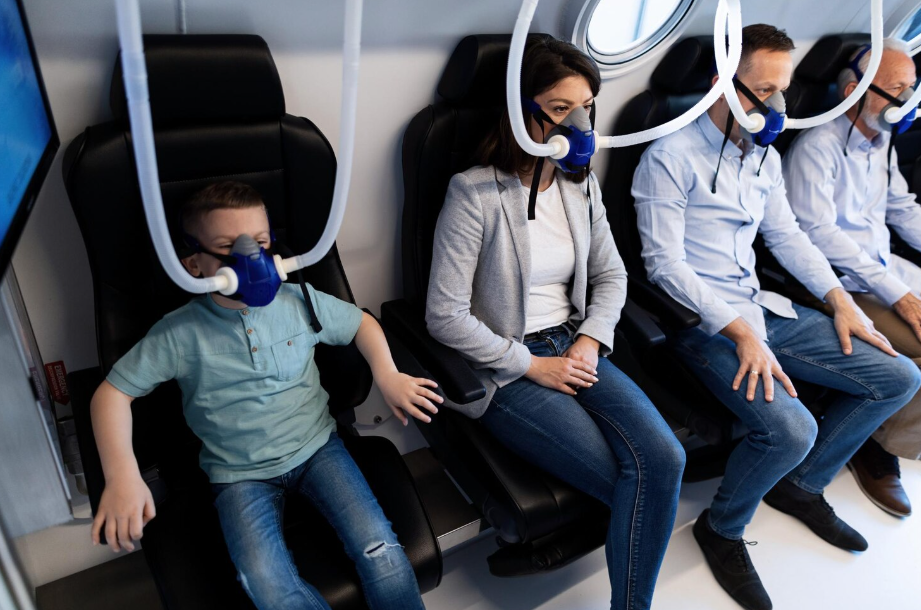
A typical session inside a hyperbaric chamber is quiet and fairly relaxed. Patients sit or lie down while oxygen fills the chamber and pressure slowly increases. The goal is to allow the bloodstream to absorb more oxygen than usual.
During repeated sessions, the body begins responding to those higher oxygen levels. Tissue repair speeds up, collagen production increases, and circulation improves around damaged areas. The therapy works gradually, not instantly. Still, the steady progress can make a noticeable difference for wounds that once refused to heal.
Integrating Hyperbaric Chambers in Healthcare
Healthcare providers who introduce hyperbaric chambers usually take time to evaluate each patient carefully. Not every wound requires oxygen therapy, so proper assessment matters. Doctors consider the type of injury, overall health, and how the wound has responded to previous treatments.
Facilities also focus on training their staff and maintaining the chambers properly. Safety procedures, pressure monitoring, and patient supervision all play a role during treatment sessions. With those steps in place, hyperbaric therapy becomes another option for helping the body repair difficult wounds. Over time, many clinics have come to view it as a useful addition to wound care programs.
Related Topics: