
What Is The Downside Of Hyperbaric Oxygen Therapy
Navigation links
Free Consultation
It's important to know that you are not alone. Get help with depression today!
TMS THERAPY SUPPORTS MENTAL WELLNESS
- Depression
- Lack of Joy
- Sadness and Despair
- Low Mood
- Lethargy
- Insomnia
- Oversleeping
- Social Isolation
- Self-Harm
- Substance Abuse
- Suicidal Ideation
- Alcoholism



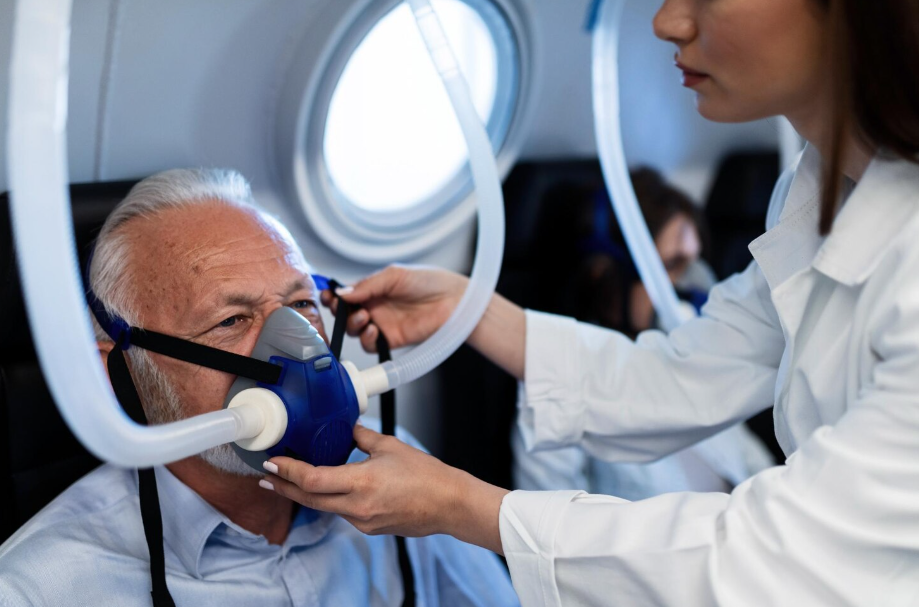
Hyperbaric chamber cons include some common, mild issues such as ear or sinus pressure, claustrophobia, fatigue, and temporary vision changes. There are also less common risks like oxygen toxicity, which in rare cases can lead to seizures, lung damage, and low blood sugar, particularly for people with diabetes. While the therapy is generally considered safe, it still needs to be performed in properly accredited facilities because the chamber uses high oxygen levels that can pose a fire hazard.
Because of these safety concerns and certain medical conditions, such as recent ear surgery or lung problems, medical screening is usually required before treatment begins. Many people choose to receive therapy at atrusted wellness center in Gilbert, AZ, where trained professionals monitor each session and review each patient's history beforehand. Understanding these potential downsides helps patients decide whether hyperbaric oxygen therapy aligns with their treatment goals and their comfort with risk.
Potential Risks and Side Effects
Hyperbaric oxygen therapy carries several risks that patients should understand before starting treatment. Ear barotrauma ranks among the most common complications, causing ear pain or temporary hearing loss due to pressure changes within the chamber. Some patients experience sinus discomfort or pressure-related pain during sessions.
Oxygen toxicity presents a more serious concern, where exposure to high oxygen concentrations can trigger seizures or cause lung damage. Vision changes may occur, ranging from temporary blurriness to more persistent alterations in eyesight. Fatigue often follows treatment sessions, leaving patients feeling drained.
Diabetic patients face particular risks, as hyperbaric oxygen therapy can cause dangerous drops in blood sugar levels. Close monitoring by trained medical professionals helps identify and address these complications quickly. Fire hazards also exist due to the high-oxygen environment, making treatment in properly certified facilities non-negotiable.
Cost Considerations and Insurance Coverage
The financial burden of hyperbaric oxygen therapy can be substantial. Individual sessions typically cost between $250 and $450, with complete treatment courses potentially reaching thousands of dollars. These expenses add up quickly when multiple sessions are required.
Insurance coverage varies significantly between providers and specific medical conditions. Some policies cover hyperbaric oxygen therapy for approved conditions, while others exclude it entirely. Patients must verify coverage details before beginning treatment.
Out-of-pocket expenses like copayments and deductibles can create unexpected financial strain. Many facilities require upfront payment or payment plans, making budget planning necessary before starting therapy.
Time Commitment for Treatment Sessions
Each hyperbaric oxygen therapy session demands 60 to 90 minutes of a patient's time. Treatment frequency varies based on the condition being addressed, ranging from daily sessions to several times weekly.
The time commitment extends beyond the actual treatment. Patients must factor in travel time to specialized facilities, preparation procedures, and post-treatment recovery periods. This schedule disruption can interfere with work, family obligations, and daily routines.
Planning becomes particularly challenging when facilities are located far from home. Some patients need to arrange temporary lodging or extended time away from their responsibilities to complete treatment courses.
Limited Availability of Hyperbaric Chambers
Access to hyperbaric oxygen therapy remains restricted in many areas. Several factors contribute to this limited availability:
- High Demand: Medical facilities offering hyperbaric oxygen therapy may have a limited number of chambers available, leading to scheduling challenges.
- Specialized Maintenance Requirements: Hyperbaric chambers require regular maintenance by trained technicians, limiting the number of chambers that can be operational at any given time.
- Cost Constraints: Acquiring and maintaining hyperbaric chambers is expensive, restricting the number of chambers that facilities can afford.
- Geographical Distribution: Hyperbaric chambers may not be evenly distributed across regions, resulting in limited access for patients in certain areas.
These factors combine to create significant barriers for patients seeking hyperbaric oxygen therapy, often resulting in extended wait times or the need to travel considerable distances for treatment.
Contraindications and Safety Precautions
Certain medical conditions make hyperbaric oxygen therapy inadvisable or dangerous. Untreated pneumothorax (collapsed lung) represents an absolute contraindication, as pressure changes could worsen the condition. Recent ear surgery or ongoing ear infections increase the risk of complications.
Patients receiving specific chemotherapy treatments may experience dangerous interactions. High fever, respiratory infections, and severe claustrophobia can also disqualify candidates from treatment.
Close monitoring becomes necessary for patients with seizure histories, as the high-oxygen environment may trigger seizure activity. Proper screening and ongoing assessment help identify patients who may not be suitable candidates for this therapy.
Lack of Definitive Scientific Evidence
The scientific foundation supporting hyperbaric oxygen therapy remains incomplete for many conditions. Research limitations create uncertainty about long-term effectiveness and optimal treatment protocols.
Most studies suffer from small sample sizes, making broad conclusions difficult to draw. Treatment protocols vary between facilities and studies, complicating efforts to compare results. The absence of large-scale, long-term randomized controlled trials leaves gaps in understanding.
This evidence gap means patients may undergo expensive, time-consuming treatment without a guarantee of meaningful benefits. Healthcare providers must balance potential advantages against known risks when recommending hyperbaric oxygen therapy.
Contact Us
If you’re seeking compassionate, integrative mental health and wellness support in the Gilbert, AZ area,
Unchained Wellness Clinic is ready to help you on your journey toward balance and healing.
Address: 201 W Guadalupe Rd, Suite 302, Gilbert, AZ 85233
Phone: (480) 619-2868
Contact Form / Consultation: Visit the Contact Us page to submit a message or request a personalized treatment consultation.
Office Hours:
- Monday – Friday: 8:00 AM – 5:00 PM
- Saturday & Sunday: CLOSED
Whether you’re interested in therapy, wellness support, or personalized treatment plans, reach out by phone or through the online form to connect with their team.
Related Topics: