
When and Why a Child Might Need a Hyperbaric Chamber
Navigation links
Free Consultation
It's important to know that you are not alone. Get help with depression today!
TMS THERAPY SUPPORTS MENTAL WELLNESS
- Depression
- Lack of Joy
- Sadness and Despair
- Low Mood
- Lethargy
- Insomnia
- Oversleeping
- Social Isolation
- Self-Harm
- Substance Abuse
- Suicidal Ideation
- Alcoholism



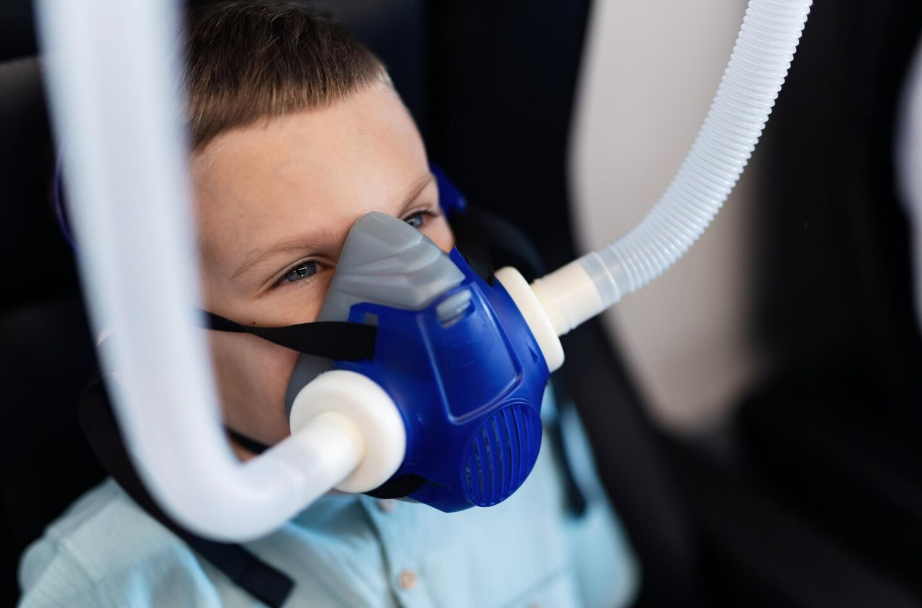
Sometimes kids face health challenges that make you worry, you know? Things like non-healing wounds, certain brain injuries, autism spectrum disorders, or infections that don’t want to quit. A hyperbaric chamber can actually help in these cases by giving pressurized oxygen to boost the body’s healing. And if you’re curious, clinics with leading wellness center specialists can guide the child through the process so it’s safe and less intimidating.
It’s not magic, but it’s impressive. The extra oxygen helps the body repair itself a little faster, which sometimes improves daily life. Parents often feel relieved just knowing there’s a gentle, non-invasive option that supports recovery. It’s a therapy that gives a bit of hope while kids get the care they need.
Medical Conditions Treated With HBOT
Hyperbaric Oxygen Therapy, or HBOT, can help kids with a bunch of different issues. Essentially, they breathe pure oxygen in a pressurized chamber, which raises oxygen levels in their blood. That boost can really help the body heal.
Kids with stubborn wounds, infections, or injuries from radiation may notice better recovery. Children with cerebral palsy, autism, or some brain injuries might experience improvements in certain functions, like speech or focus. Other conditions like burns, skin grafts, or even carbon monoxide exposure can respond positively to treatment. It’s gentle but effective and often paired with other therapies.
Traumatic Brain Injury in Children
Brain injuries in kids are tricky. Sometimes the brain doesn’t get enough oxygen, which slows healing and affects thinking or memory. HBOT can help by pumping more oxygen into the bloodstream, which the brain can actually use to repair itself.
Research suggests it might reduce inflammation and help the formation of new blood vessels in damaged areas. Sure, it’s not a miracle, but even small gains in function can make a huge difference in daily life. For many families, it’s one of several tools to support recovery.
Autism Spectrum Disorders
For children with autism, everyday things like social interaction or communication can be really challenging. Some families try HBOT alongside other therapies to see if it helps reduce inflammation or improve oxygen delivery to the brain.
The results aren’t guaranteed, and studies are mixed, but some kids do show improvements in speech, behavior, or attention. Of course, this works best when combined with speech therapy, occupational therapy, or behavioral interventions. Every child is different, so a personalized plan is key.
Cerebral Palsy and HBOT
Cerebral palsy affects parts of the brain that control movement. The extra oxygen from HBOT may support these areas, reducing inflammation and supporting neural function.
Some kids see improvements in motor skills or cognitive abilities, though the extent varies. Even small changes can be meaningful, like being able to do a task more independently. It’s promising, especially when used alongside physical and occupational therapy.
Wound Healing and Infections
HBOT can also help with wound healing and infections. Oxygen makes tissue repair faster and helps fight harmful bacteria.
It can reduce swelling and keep damaged tissue alive, which is huge for recovery. Parents are often surprised at how just adding oxygen makes a visible difference over time. It’s safe, non-invasive, and complements other treatments nicely.
Risks and Considerations for Children
Of course, there are some risks, but most are manageable. Ear discomfort is common but usually easy to handle by teaching kids how to equalize pressure. Oxygen toxicity is rare if rules are followed.
Some children may feel anxious about being in a confined chamber, which is understandable. Preparing them in advance and having a supportive team really helps. Parents and providers working together make sure the benefits outweigh the risks, giving children a safe and effective treatment option. It’s all about balance, care, and helping the child feel secure as they heal.
Related Topics: